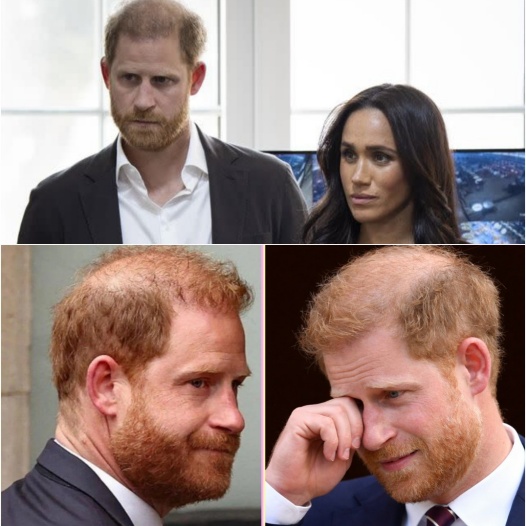
Prince Harry’s Australia Visit Faces Scrutiny Amid Reports of Low Ticket Demand
Prince Harry’s latest visit to Australia was expected to strengthen his post-royal image as a global advocate for mental health. Instead, it has prompted growing criticism and renewed questions about his public appeal.
Reports surrounding his scheduled speaking engagement in Melbourne suggest that interest has fallen well below expectations. According to those reports, organizers were forced to significantly reduce ticket prices and even consider giving tickets away in order to fill seats. For many observers, the situation reflects more than just a struggling event. It points to what some see as a broader decline in Harry’s influence since stepping back from royal duties in 2020.
Once considered one of the most popular members of the royal family, Harry attracted worldwide attention and was viewed as a major draw for public appearances. In contrast, recent reports indicate that his speaking fees have dropped noticeably, suggesting a shift in how audiences and institutions now view his value.
The reaction in Australia has been especially telling. Known for their direct and pragmatic outlook, many Australians appear unconvinced by Harry’s positioning as a spokesperson for mental health. Critics argue that his public image, which is often tied to personal trauma and long-running grievances, no longer resonates as strongly as it once did. As one commentator put it, people are not rejecting the subject itself, but rather questioning whether Harry is the right person to deliver the message.
That skepticism has only grown because of the wider economic climate. Like many countries, Australia is dealing with financial pressure, making expensive speaking events a harder sell. When premium ticket packages were first introduced, the weak response quickly became apparent. The later price cuts may have been necessary, but they also reinforced the perception that the event was struggling to remain relevant.
At the same time, Harry’s broader effort to redefine himself outside the monarchy has produced mixed results. His ventures in Hollywood, including media partnerships and content projects, have not consistently delivered the impact many expected. As a result, public speaking has become an increasingly important part of maintaining both his visibility and income. Even so, the response to the Australia event suggests that this strategy may not be as reliable as once believed.
There is also a growing sense that audiences are becoming more selective about authenticity. Although Harry continues to focus on themes such as mental health awareness and digital safety, some critics believe those messages are being overshadowed by the ongoing controversies surrounding him and the royal family. In that view, the issue is not necessarily the cause he supports, but the disconnect between the message and the public image attached to it.
Adding to the uncertainty is speculation that the trip may serve several purposes beyond advocacy. Some reports suggest it could also be an attempt to rebuild relevance, attract media attention, and possibly explore future opportunities in the Australian market. This has fueled further discussion that Harry and Meghan may be interested in stronger ties to the region, whether through business ventures or even property investments.
Public reaction to that idea has been cautious. While Australia has long had a historic connection to the British royal family, public attitudes have changed over time. Not all audiences are receptive to figures who appear to be turning royal status into a commercial brand. For some critics, authenticity and humility matter more than name recognition, and any perceived commercial motive is likely to face resistance.
Despite the negative attention, Harry still holds a level of global recognition most public figures would envy. He remains capable of drawing headlines and sparking debate wherever he goes. The larger question, however, is whether that attention can still be transformed into lasting influence and meaningful public engagement.
As the event draws closer, speculation continues over whether it will proceed as planned or face further changes. In the events industry, weak ticket sales often lead to last-minute adjustments and, in some cases, cancellations. Although no official decision has been announced, the situation has already become a widely discussed test of Harry’s current standing.
Ultimately, the difficulties surrounding Harry’s Australia visit may represent a broader turning point in his public journey. Moving from royal figure to independent global personality is not simply about staying visible. It also requires credibility, consistency, and a clear connection with audiences. For now, that transition appears to remain unfinished.
For some observers, this may be only a temporary setback. For others, it signals deeper problems with branding and public perception. Either way, the outcome of this trip could play an important role in shaping the next phase of Prince Harry’s career.
I can also rewrite it in a more dramatic tabloid style, a neutral news style, or a sharper opinion-column style.